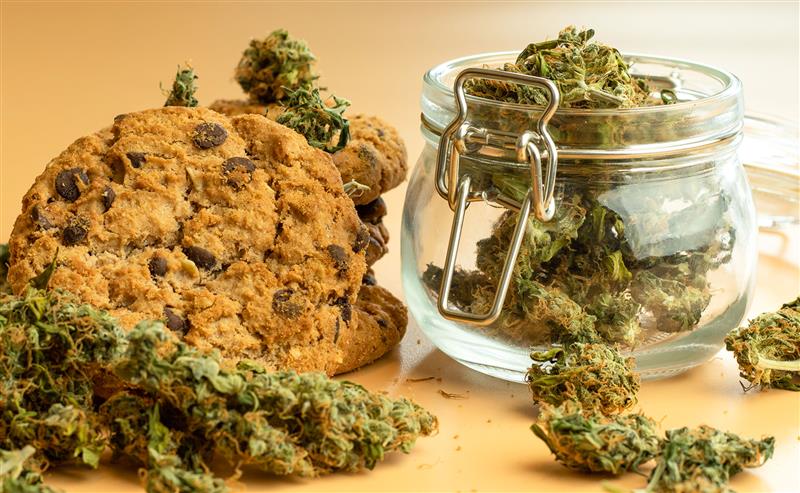
More and more individuals are using marijuana to cook these days. They want to develop ways to add THC (tetrahydrocannabinol) or CBD (cannabidiol) to meals they already appreciate because of health reasons. Adding weed to your own cuisine could be fun and entertaining, whether you’ve done it before or not. It’s not that hard, that’s good news. In this post, we’ll go over the most important stages for cooking with cannabis and show you how to make your own infused foods.
We’ll go over everything you need to know, such as how to choose the appropriate weed, how much to take, and how to actually make it. At the end, you’ll know how to add cannabis to your favorite foods in four simple steps.
Why Cook with Cannabis?
Before diving into the specifics, let’s take a moment to discuss why cooking with cannabis has become such a popular trend. Cannabis edibles provide a longer-lasting effect compared to smoking or vaping because they are processed through the digestive system, which can create a more gradual and enduring high.
Additionally, edibles are discreet, convenient, and a fun way to enjoy the benefits of cannabis. Whether you’re looking for relaxation, pain relief, or simply a tasty treat, cannabis-infused foods offer a great way to explore the plant’s therapeutic and recreational properties.
Step 1: Decarboxylating Cannabis
Decarboxylation (or “decarbing”) is the essential process of activating the cannabinoids in cannabis, making them effective in cooking. Raw cannabis contains THCA (tetrahydrocannabinolic acid), which is non-psychoactive. When cannabis is heated, THCA undergoes a chemical change and is converted into THC, the compound responsible for the euphoric, psychoactive effects. Without this activation, your edibles won’t produce the intended effects.
To decarb cannabis, simply heat it at a controlled temperature to trigger this transformation. Here’s how:
- Preheat your oven to 240°F (115°C), which is the ideal temperature for decarbing.
- Grind your cannabis into smaller pieces but not too fine-this prevents a burnt taste.
- Line a baking sheet with parchment paper or foil to avoid sticking.
- Spread the cannabis evenly over the sheet to ensure it heats uniformly.
- Bake for 30-40 minutes, stirring every 10 minutes for even decarbing. The cannabis should turn golden brown.
- Allow it to cool, then store it in an airtight container until you’re ready to use.
This step is crucial in unlocking the full potential of cannabis. Skipping it means your edibles may not deliver the desired effects, making decarboxylation a vital part of cooking with cannabis.
Step 2: Making Cannabis-Infused Oil or Butter
After decarboxylating your cannabis, the next step is to infuse it into a fat, like oil or butter. Since cannabinoids are fat-soluble, they bind to fat molecules, making oil or butter the perfect mediums for infusion.
Choosing the Right Fat
- Cannabis Butter (CannaButter): This is a classic choice for infusions, especially when baking cookies, brownies, or cakes. Butter provides a rich, creamy base for your edibles.
- Cannabis Oil: For a healthier or vegan option, cannabis oil-such as olive oil, coconut oil, or avocado oil-works well. It’s versatile, great for dressings, or as a drizzle over savory dishes.
How to Make Cannabis-Infused Oil or Butter
- Melt your fat: In a saucepan, melt the butter or heat the oil on low heat to prevent burning or degrading the cannabinoids.
- Add decarboxylated cannabis: Once melted, stir in your decarboxylated cannabis.
- Simmer: Let it simmer for 2-3 hours on low heat (below 240°F or 115°C), stirring occasionally.
- Strain: After simmering, strain out the plant material using cheesecloth or a fine mesh strainer, pressing to extract all liquid.
- Store: Store the infused butter or oil in an airtight container. It can be refrigerated for weeks or frozen for long-term storage.
Infusing cannabis into oil or butter ensures even distribution of THC or CBD, giving you precise control over dosage in your recipes.
Step 3: Cooking with Your Infused Cannabis Oil or Butter
Now that you have your cannabis-infused oil or butter ready, it’s time to use it in your favorite recipes. Here are a few easy ways to incorporate it:
Baking with Cannabis
One of the most popular ways to cook with cannabis is by baking. You can substitute regular butter or oil with your cannabis-infused version in almost any recipe. Whether it’s cookies, brownies, muffins, or cakes, cannabis butter works wonderfully in baked goods.
Tip: Always start with small amounts to gauge potency, and adjust accordingly. It’s easy to make more if you need stronger effects, but harder to fix an overly potent batch.
Cooking Savory Dishes
Cannabis oil can also be used for savory dishes. You can replace regular oil in recipes for pasta, stir-fries, salad dressings, or even drizzle it over roasted vegetables. The earthy flavor of cannabis oil can enhance many dishes.
Be Mindful of Temperature
While cannabis-infused oil or butter can be used in most cooking applications, it’s important to keep the heat below 350°F (175°C) to avoid degrading the cannabinoids. High heat can destroy the THC and other beneficial compounds in cannabis.
Step 4: Dosing and Serving
When it comes to edibles, dosing is incredibly important. Unlike smoking or vaping, the effects of edibles take longer to kick in, and they can be more intense. It’s easy to overconsume if you’re not careful, so let’s talk about how to dose correctly.
Understanding Potency
The potency of your edibles will depend on the strength of the cannabis you used and the amount of cannabis in your butter or oil. A typical serving size of cannabis oil or butter is about 1 tablespoon. To determine how potent your edibles will be, you can do some basic math based on the THC content of the cannabis you used.
- For example, if you used 10 grams of cannabis with 20% THC, you have 2000 mg of THC in total (10,000 mg x 0.20).
- If you made 1 cup of butter or oil (which is 16 tablespoons), each tablespoon would contain roughly 125 mg of THC (2000 mg ÷ 16).
If you’re new to cannabis edibles, start with a low dose (5-10 mg of THC) and wait at least 2 hours before consuming more. The effects can take longer to kick in compared to other methods of consumption, so patience is key.
Start Low, Go Slow
If you’re unsure about dosing, start with a very small amount and gradually increase it until you find your perfect dosage. This “low and slow” method ensures that you don’t accidentally consume too much and have an overwhelming experience.
Conclusion
Cooking with cannabis is an enjoyable and creative way to explore the plant’s many benefits, but it requires some patience and careful planning. By following these four easy steps – decarboxylating your cannabis, making infused oil or butter, cooking with your infusion, and properly dosing – you can create delicious and effective edibles at home.
Remember to start low with your doses, enjoy the process, and have fun experimenting with cannabis in your kitchen. Whether you’re making a batch of brownies, a salad dressing, or infused olive oil, cannabis-infused edibles are a great way to experience the benefits of cannabis in a tasty and accessible form. Happy cooking!